And Thanks to Kahlon: Israeli Real Estate Investors Are Flocking to Greece
In Israel, the Minister of Finance has turned real estate investors into persona non grata, so a growing group of Israelis who were looking for vacation properties found an investment opportunity

The Prime Minister of Greece, Alexis Tsipras, must be ungrateful, because otherwise he would be sending Finance Minister Moshe Kahlon a bouquet of flowers every week. Israelis have been buying real estate in Greece for more than two years now, thanks to the economic crisis that made it particularly affordable, due to the increase in purchase tax on investment properties that came into effect in the summer of 2015, and because of apartment prices in Israel, which can only be described as “insane”; but the third apartment tax initiative gave them an additional and significant push.
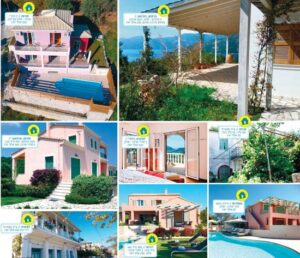
“Deals that were on the market five or six years ago are suddenly being snapped up,” says Idan Sarusi, CEO and owner of GRE, a company that has been marketing real estate properties in Greece for over a decade. Currently, he reports, his office is handling about a thousand properties for sale in Greece, of which approximately 70% are vacation homes, with prices ranging from 70,000 to 300,000 euros.
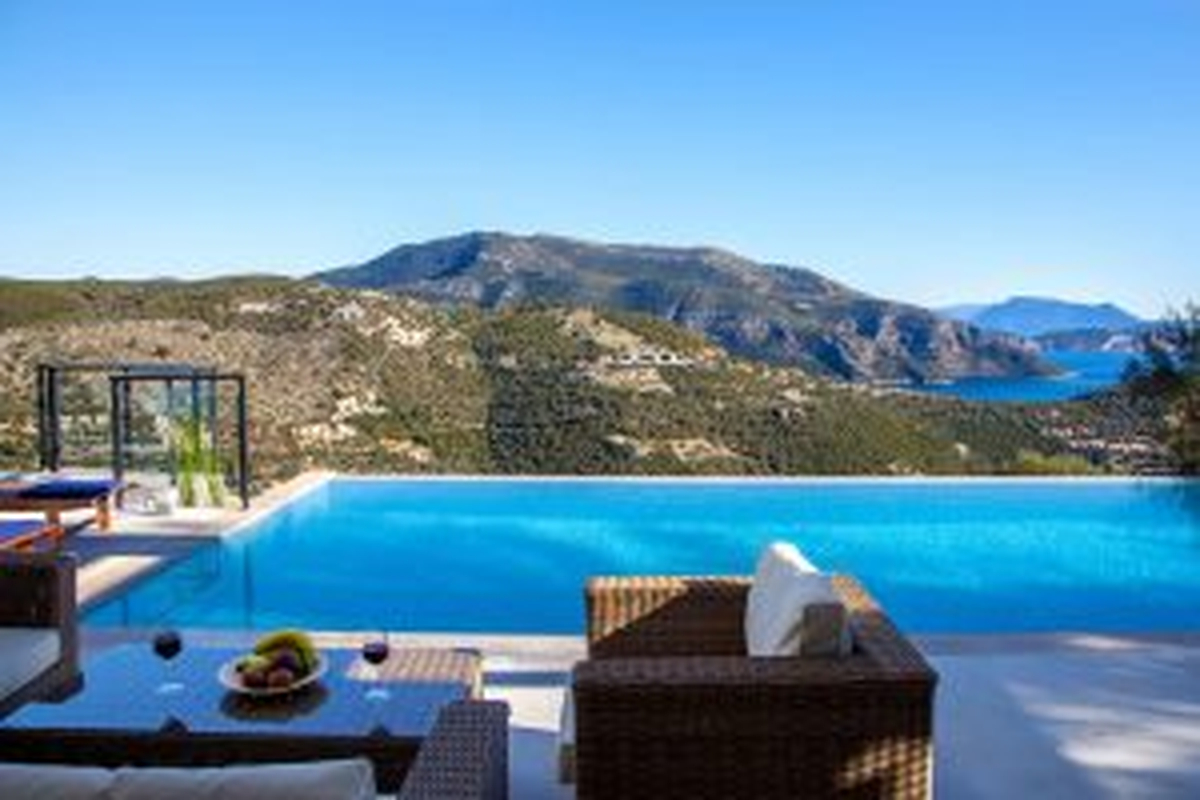
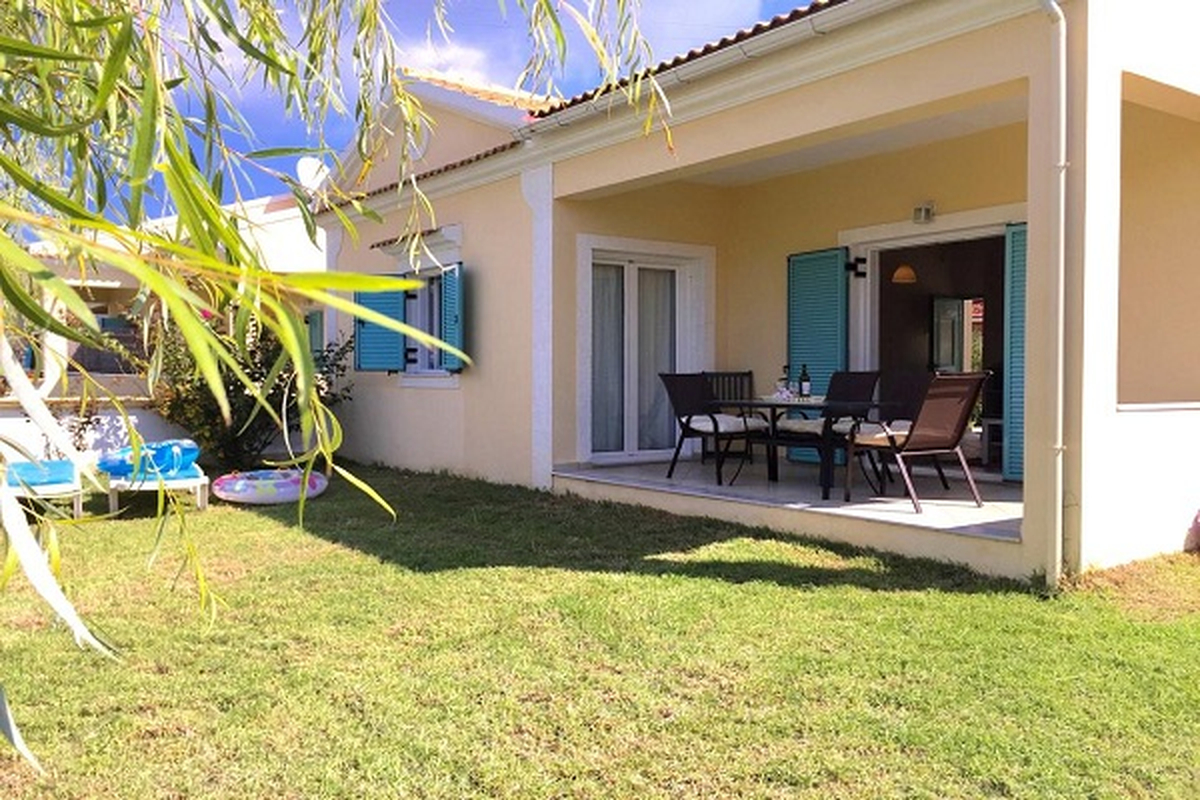
“A family that wants to buy a three-room apartment for one and a half million shekels in Gush Dan can buy a villa in Greece on one and a half dunams, with a pool, within walking distance of the sea, in the most exotic location,” says Sarusi. “Greece is also very encouraging to investors: if you purchase a property for more than 250,000 euros, you are entitled to a ‘Golden Visa’ – citizenship for five years in Greece with an option to extend for another five years – and if you decide to move there, you also receive free education. In addition, the Jewish communities in Athens and Thessaloniki are well-developed and the cost of living is very low. You barely pay for water and property tax is also minimal.”
“If five years ago I would receive one or two inquiries a week from Israelis wanting to purchase a house in Greece, today between ten and fifteen people contact me daily,” says Sivan Zamir, owner and CEO of the tourism portal “Greece and the Islands.” “There are those for whom this is already their second or third property there. But it’s not just Israelis: also the British, the Dutch, the Americans, the Canadians.”
Noam, 35, married with one child, self-employed in online sales, built his dream home with his partner on the island of Lefkada. The villa, named after their daughter “Villa Alma,” is located on the coastline and spans one dunam, with three bedrooms and a pool. He purchased it while it was still planned on paper about two and a half years ago for 250,000 euros, and by the completion of construction invested another approximately 50,000 euros in landscaping, flooring, pool, etc.
“We thought about buying a house in Israel, but we realized it was difficult, bordering on impossible,” he recounts. “Even if we had found something here, we wouldn’t have been completely happy with it, so we decided to live in Israel as renters and go for a type of investment in Greece, and along the way also enjoy it there. We manage to be there a month and a half to two months a year, we usually travel in April and September and rent out the villa in the summer, 60 to 90 days a year. The price ranges from 350 to 500 euros per night.”
– Maintenance costs?
“There is a management company that maintains the house throughout the year, including landscaping and pool. It’s a few hundred euros per month. In the winter months it’s less. On an annual basis it comes to something like 1,500 euros. Property tax is very low and water bills as well. Electricity costs about the same as in Israel, but according to usage, of course. These ongoing costs total 2,000 euros per year.”
– What are the disadvantages?
“It’s not always easy to control everything remotely. It’s a business in every respect and we’re learning to work with it. It’s constantly active and alive, it requires time and resources. There is also a certain risk in doing a deal economically in a place you’re less familiar with. You have less control over the economy there, although the villa is already worth more today. The annual return from tourism is around 10%-12% of the villa’s price.”
– Advantages?
“We really enjoyed the whole process, buying things for the house and searching. It’s young and alive, and we deal with it a lot, what to add and how to design, we collected from the flea market in Athens and collected items from all over Greece along the way. We also really enjoyed getting to know the locals. The culture, the people, the food. We also had a daughter in the middle of this period and it’s a wonderful place for a family vacation, there’s lots of nature. We want to grow with it and spend as much time there as we can.”
Arik, 40, married with two children, from the restaurant industry, purchased the villa in Greece with a partner in 2012 for 350,000 euros. Three bedrooms and a living room, on the seafront. “We travel every August, for the last two weeks of the month, and my partner’s family travels every July, for two weeks,” he recounts. “The rest of the time we rent it out through booking.com and Airbnb. Prices vary between seasons. In June and September it ranges around 250-300 euros per night, and in July-August 400-500 euros per night. During the winter the villa is closed.”
– Maintenance costs?
“Property tax – 250 euros per year, maybe 300. Electricity very basic, in winter nothing, in summer maybe 100 euros per month. There’s cable, internet, that’s another 50 euros, and there’s the management company (GRE), which amounts to 15% of the year’s rentals. After all expenses we’re left with about 20,000 euros per year. The Greeks are warm and respectful people and this island is pristine. You rent a boat there for 50 euros a day and you can cruise between bays that no one knows exist.”
– Disadvantages?
“Accessibility. It’s not Crete or Rhodes. I fly to Athens, rent a car and drive four hours. However, the drive is enjoyable, you see the sea, almost the entire way is on the highway, and this year there were already direct flights to Lefkada – only in summer.”
– Has the value of the house already increased?
“Yes. From what I understand, it already stands at about half a million euros. Prices have risen due to demand. There are many Serbs, Croats, English, Germans, Russians here.”
What to Be Careful Of
Don’t rush to celebrate: not every villa in Greece will cost you less than a one-and-a-half-room apartment in Tel Aviv, and not every deal will yield you a nice return. “It’s all about locations,” says Zamir. “In Mykonos, for example, a villa by the sea can cost 1.5 million euros, compared to a villa in Lefkada at 400,000 euros. There are also Israelis who prefer the view over the sea, within the islands. Land adjacent to the sea is slowly running out and that’s another indicator of demand. Therefore prices are already rising to 300,000 euros. That’s about 70,000 euros per dunam on the waterfront, compared to a second or third line from the sea, which cost about 20,000-30,000 euros per dunam. Israelis think that a house in Greece is like a house in India, and that houses are sold there for a few thousand euros, but that’s not true. The deals I know of from Israelis who purchased a vacation home in Greece average 200,000 euros per transaction. Prices have indeed dropped significantly, but it’s still a very sought-after and popular destination among tourists from around the world.”
– Which area would you recommend?
“Northern mountainous Greece. It also protects the property, also great views and also the possibility to rent year-round. People know Greece with turquoise beaches and have no association, but for me Greece is mountains, waterfalls and rivers.”
– What else should one be careful of?
“Israelis believe that if they have a vacation home in Greece, then they have a business in Greece, but that’s not true. Because what they have, several hundred other people also have. A business needs to be marketed, maintained, managed. Without renting the house to tourists, they won’t be able to recover the investment. Israelis want to invest the minimum and receive the maximum, but it doesn’t work that way. A house rented to tourists requires more maintenance. If the property is located on the seafront it is also vulnerable to winds and sea damage, salinity, humidity, and there is also plumbing and electrical maintenance. You can also maintain a property for 3,000 euros a year, but then it’s maintained in a more neglected manner. The costs of managing and marketing the property to potential renters stand at approximately 10,000-20,000 euros per year. While certain properties in Greece will typically be rented from May to September, in order for the return to be maximal, the property owner will try to rent it also in winter to writers, painters, artists and people who want solitude.
“Most of the Israelis I meet buy unwisely. They look for the cheapest deal and try to save every lira. They hire someone cheap to manage the property and in the long run damage it. Someone who buys a dream home invests all their soul and heart in it. I meet almost every day people who out of pride bought a property in Greece that stood empty for a whole year, because they tried to market it themselves through friends and Facebook recommendations, but it doesn’t work that way. That’s exactly why companies like booking.com and excellent Greek companies that manage and market properties in Greece for property owners from around the world were established. They do an excellent job, but it costs money.
“Another parameter that is very important to pay attention to is earthquakes, as evidenced by what recently happened in Kos. It’s not for nothing that throughout Greece there are no buildings over 6-7 floors. In Greece they don’t build high because it is located on active tectonic plates, every day there is an earthquake somewhere in Greece of one intensity or another. Most Greeks will first check whether the property is earthquake-resistant, even before they inquire about the price.”
– How do the Greeks feel about all this rush?
“Terrible. It’s a people with a lot of self-pride and with the crisis they feel very humiliated. Almost every self-employed Greek, from the middle class, has two or three properties in Greece. So they sell one property with great sorrow, in order to live, because their pension was affected. When one Israeli buys a house it’s fine, but the moment Israelis establish communes, and all buy in the same city or village, the locals start to develop antagonism. In Paros for example, there is a group of 15-20 Israelis who purchased vacation homes and they are already being looked at with a jaundiced eye.”
“Most of our clients buy a vacation home to vacation in it,” adds Sarusi. “The buyers are actually divided into three: 30% buy only for vacation purposes. 50% combine investment and vacation, and another 20% make a pure investment. So in fact about 70% of buyers also rent this property for tourism and generate an annual return of 7%-9%. This model is very worthwhile both for the Greeks and for Israeli investors.
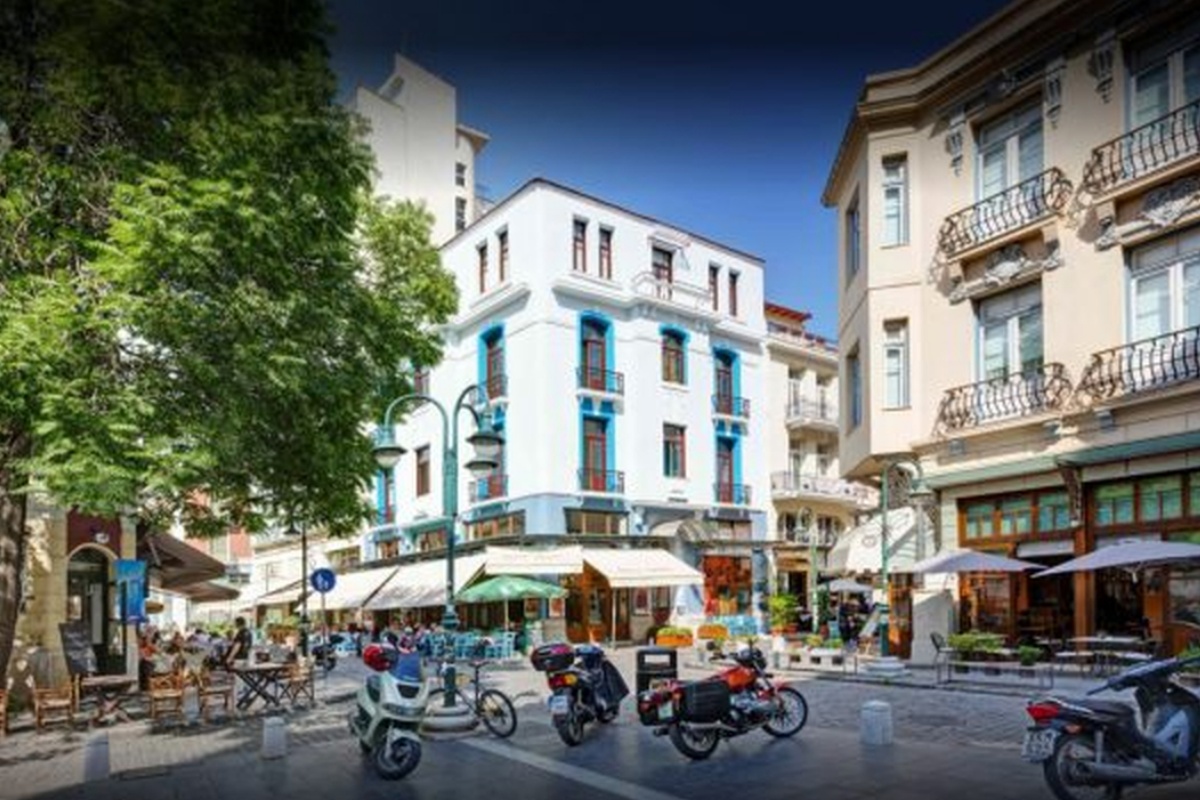
“The average age of buyers is 50-60, for whom this is their second home, but there are also younger guys who invest, around age 40. Today there is also very high demand from large international investment companies that have marked Greece as a preferred destination and want to invest with us in real estate. There are also demands for buildings and vacation apartments in Athens and Thessaloniki.”
“The most serious buyers are those who buy solely to be there, for whom it’s about fulfilling a dream,” concludes Zamir. “They look for their cool destination among the islands in Greece and once an emotional chemistry is created between them and the place they close the deal quickly. They are less interested in how much the house will be worth in a few years, and whether it will be possible to sell it at a profit.”
Risk Management – Is It Worthwhile to Invest in an Unstable Country Like Greece
With all due respect to Greece’s villa bonanza, which makes investing in it – and perhaps even moving there for a few years – particularly attractive, there are still quite a few question marks surrounding the stability in the country. And just as the tremendous economic crisis it recently experienced lowered housing and living costs, so too can it turn the investment into one that requires a finger on the pulse 100% of the time.
It is important to remember that until two years ago, Greece troubled investors around the world due to its debt to the Eurozone. The concern intensified when an extreme left-wing economic government was elected, and reached its peak when the people voted in a referendum against accepting the terms of Greece’s bailout by Europe (or in other words: the Greeks said, “We are not willing to accept important austerity measures, even at the cost of leaving the Eurozone and defaulting”). Despite the heavy concerns surrounding this conduct by the Greeks, Germany and the IMF provided fairly generous assistance and austerity measures were taken after all. This reassured investors, and it seems that Greece today is entering a path that distances it from the crisis, but in light of geopolitical upheavals that occur all the time around the world, this question remains open.
If you ask the villa brokers in Israel, situations like the recent crisis are actually good for business: “The deeper the economic crisis in Greece, the higher the demand for tourism rises because tourists expect to receive lower prices, so properties rented for tourism are very sought after,” says Idan Sarusi from GRE. “The circle of supply and demand revolves around the tourism issue, which in Greece is so significant that there are islands that the crisis barely affected. About 20% of the Greek GDP is tourism, and every year Greece breaks its own record in terms of visitors.”