Property Description:
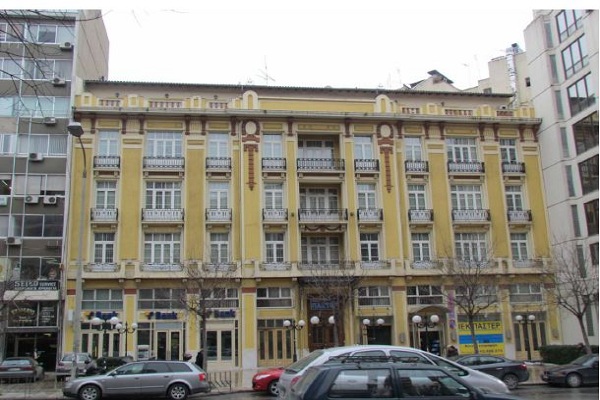
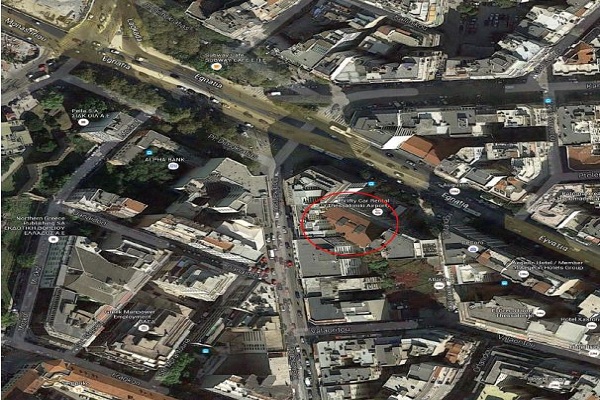
Hotel for sale in Thessaloniki, Greece.
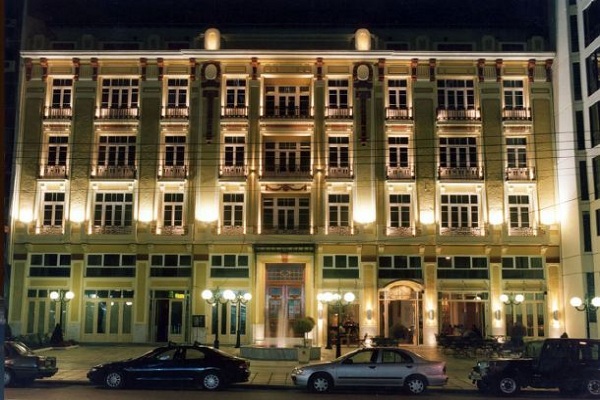
The former Vienna Hotel was built in 1918 and is listed as a landmark by the Ministry of Culture.
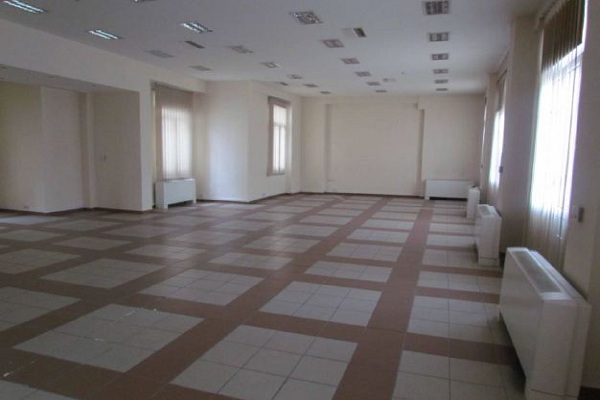
In 1999, the building underwent a complete renovation for office use and restoration of the park with a fountain in front of the building.
Total basement area: 520 sq.m. (-3.00m).
The basement serves the communal needs of the building (boiler room, air conditioning units, and also for the shops; currently used as a vault for the bank that is leasing it).
Total ground floor area: 460 sq.m. (+0.00m)
The ground floor houses two shops.
Mezzanine floor: 459.11 sq.m. (+3.80m)
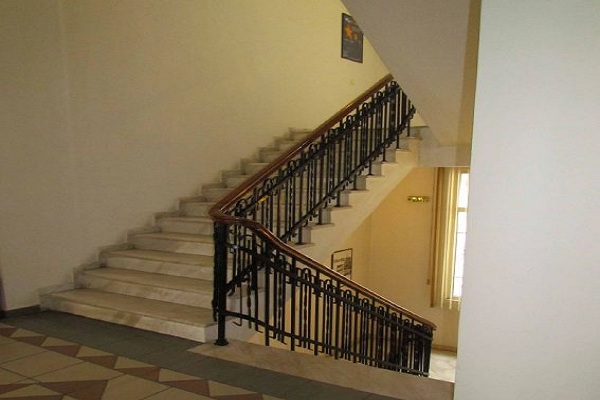
The central staircase and elevators begin from the mezzanine floor.
1st floor total area: 489.29 sq.m. (+6.25m)
2nd floor total area: 489.29 sq.m. (+10.10m)
3rd floor total area: 489.29 sq.m. (+13.95m)
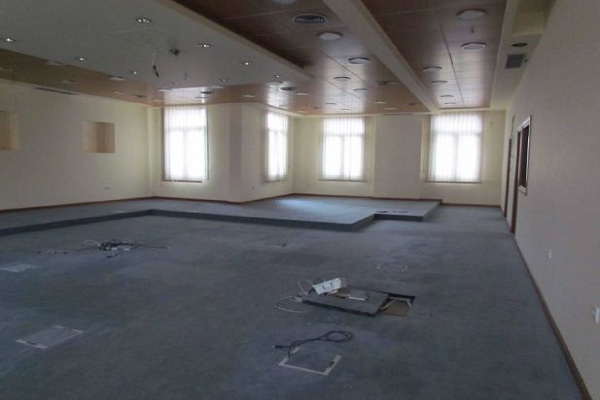
4th floor total area: 375.49 sq.m. (+17.80m).
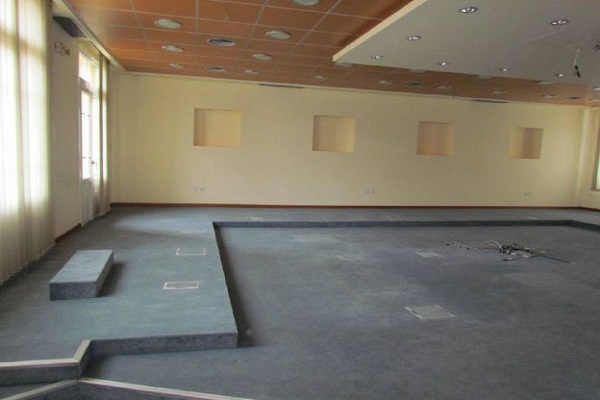
The 4th floor is configured as meeting rooms.
Total built area: 2,762.47 sq.m. + basement 520 sq.m.
Objective value of €6.08 million.
History of the building: During the interwar period, when Thessaloniki was destined to once again become the center of Balkan civilization,
this inspiring hotel named “Vienna” was one of those bringing the sense of change to the city of Thessaloniki.
It was designed by architect G. Kampanelo in 1929 and completed by 1931, with its first owner being Costas Manolas.
This eclectic-style building was constructed where the temple of Saint Kiriaki was initially located and originally had three floors.
Its 55 rooms hosted several famous people of the time, including ministers, politicians, and artists. During the occupation, the Germans selected this impressive building to house the Kommandantur offices, while its basements
became torture chambers. On the first day of Thessaloniki’s liberation, October 30, 1944, the building was occupied by the National Liberation Army, which chose to host its headquarters there for several months.
Immediately after the German occupation, the first owner, Mr. Manolas, took over the hotel until 1973, a period during which all floors of the building were sealed and only the ground-floor shops were open for business.
The building was then abandoned until 1994, when it was acquired by Mr. Athanasios Mantas.
Through his initiative, the estate would come to life again on the basis of Thessaloniki being the Cultural Capital of Europe in 1997.
From 2012 to the present day, this beautiful building in the heart of the city center has been home to the Mediterranean College of Thessaloniki.
Fully renovated, enriched with all the required technological equipment and appropriate infrastructure, without altering its architectural character, it highlights the connection between education and culture.